
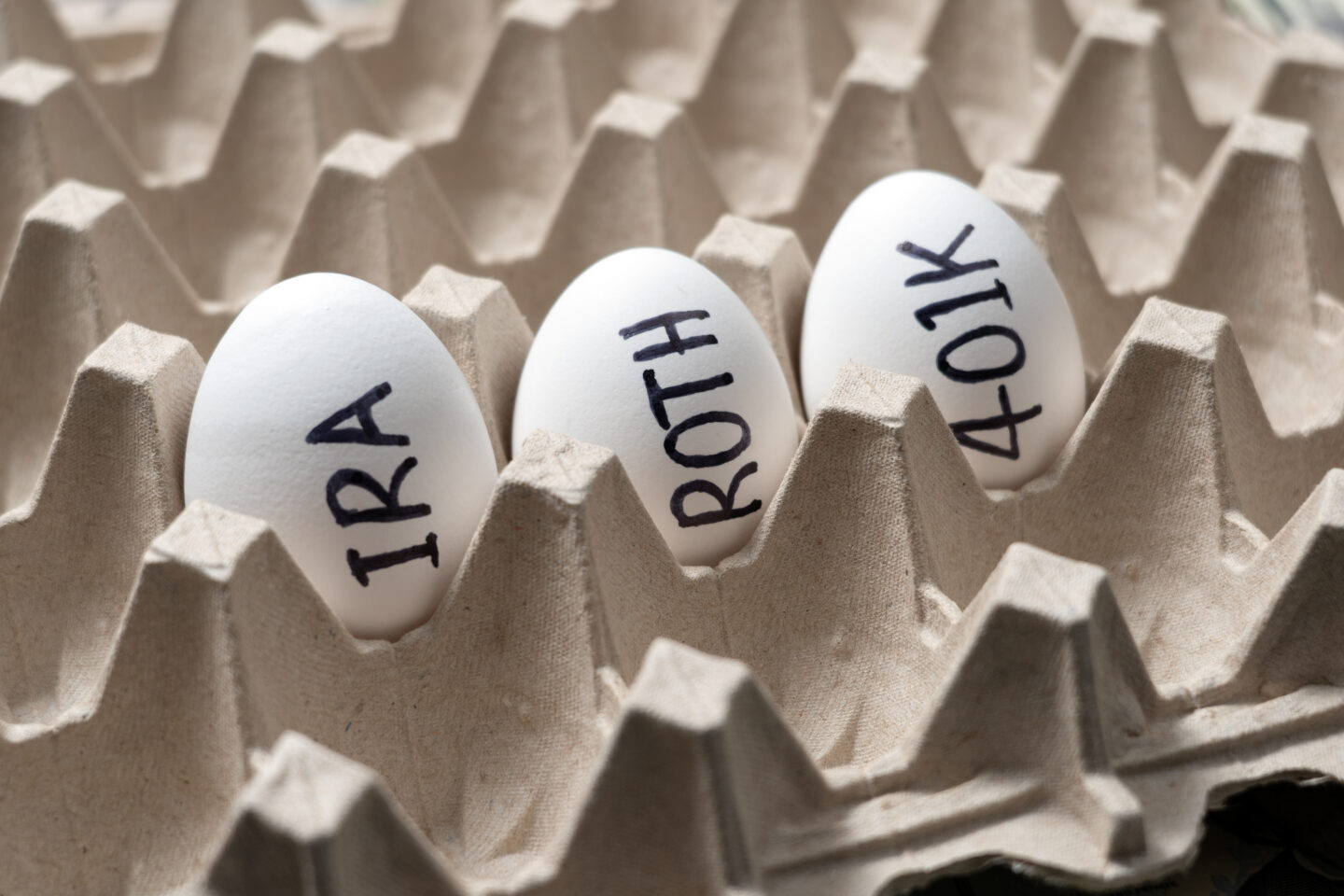
What Is a Roth Conversion?
A Roth conversion involves moving money from a traditional IRA or 401(k) into a Roth IRA. You pay taxes on the amount converted now, but future withdrawals are tax-free—as long as certain conditions are met.
But is it always a good idea? Not necessarily. Timing is everything.
When a Roth Conversion Makes Sense
1. You’re in a Low Tax Bracket This Year
If your income is temporarily low—due to a job change, sabbatical, or retirement before RMDs—it may be smart to convert at a reduced tax rate.
2. You Expect Higher Future Tax Rates
If you believe your personal tax rate or national tax policy will increase over time, locking in today’s rates via a Roth conversion can pay off.
3. You Don’t Need the Money Soon
Roth IRAs have no required minimum distributions (RMDs), which means your money can grow untouched—ideal for estate planning or long-term investing.
4. You Want to Leave a Tax-Free Inheritance
Inherited Roth IRAs offer beneficiaries tax-free distributions (subject to certain rules), making them a powerful legacy tool.
When a Roth Conversion Might NOT Be Smart
1. You’re Nearing Retirement and Need the Funds Soon
If you’ll be withdrawing the funds in the next few years, paying taxes now may not leave enough time for the benefits of tax-free growth to outweigh the cost.
2. It Pushes You Into a Higher Tax Bracket
Large conversions can bump you into a higher bracket or affect Medicare premiums and tax credits.
3. You Don’t Have Cash to Pay the Taxes
Never pay Roth conversion taxes from your IRA—doing so reduces your future earning potential.
How to Strategize Your Roth Conversions
- Partial Conversions: Convert only enough to stay within your desired tax bracket.
- Annual Planning: Spread conversions over several years to minimize tax impact.
- Use Roth Conversion Calculators: Work with a professional to model different scenarios.
📞 Make the Most of Your Retirement Accounts
Roth conversions can be a powerful tool—or a costly mistake. At Pacific Tax & Financial Group, we’ll help you weigh the pros and cons and build a tax-efficient retirement plan. Schedule your consultation today.